Euljiro: Seoul's Old Hardware District Turned Creative Hub
Hardware stalls and printing presses hide craft bars and rooftop cafes — plus why the redevelopment pressure means this look won't last forever.

Partly personally verified — Daniel checked some of these in person
How we verify →·Last verified ·4 min read
- Euljiro was Korea's printing-press and hardware/metalworking hub through the 1960s-70s industrialization era — now artists and young entrepreneurs are converting old workshops into cafes, bars, and studios, earning it the nickname "Hipjiro."
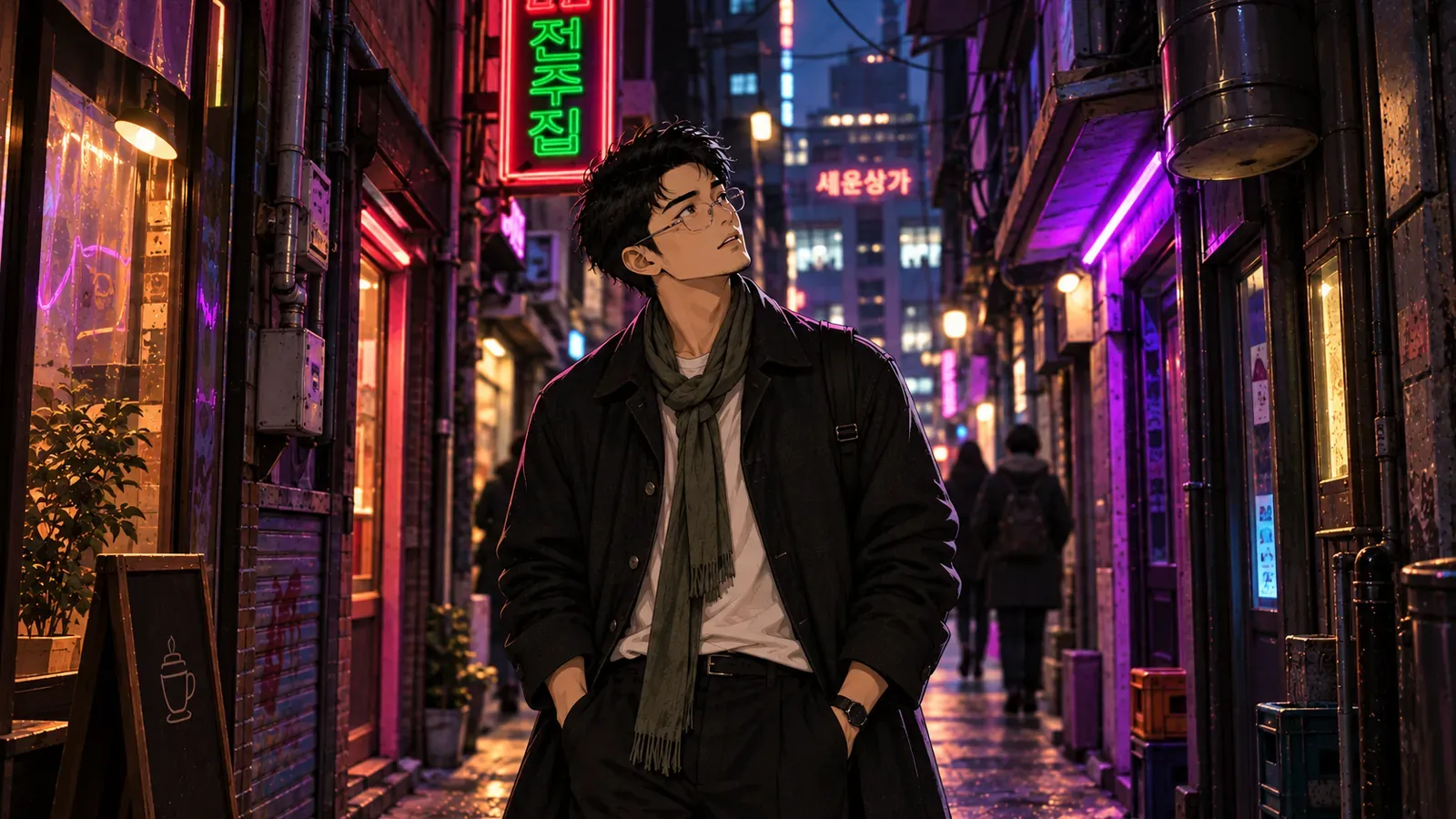
- The look is "Newtro" (new + retro): raw concrete, old signage, and exposed pipes left intact, with a polished cafe or bar tucked inside.
- Sewoon Plaza, built in 1968 as Korea's first electronics market, is now a mixed-use complex with a skyline-view rooftop and cafes like Champ Coffee and Tiger Coffee.
- Euljiro Nogari Alley is an L-shaped strip of local eateries and street-food stalls, though a 2024 city redevelopment decision is expected to remove roughly half of its old shops for a 33-storey office building.
- Redevelopment is genuinely underway in parts of the district — some alleys have already changed under construction, so the current look isn't guaranteed to last, though exact timelines aren't reliably confirmed.
Here's how to actually explore it.
What does "Newtro" mean here?
The district's signature move is leaving old warehouse and workshop spaces essentially intact — concrete walls, aging signage, exposed plumbing — and slotting a craft brewery, concept cafe, gallery, or boutique bar inside without smoothing over the rough edges. It's retro without being precious, industrial without feeling sterile, and that contrast is the whole point of visiting.
Where should you go?
Sewoon Plaza is the anchor: built in 1968 as Korea's first electronics market, it's now a hub for artists, gadget enthusiasts, and coffee drinkers, with a rooftop that opens onto a panoramic view of the Seoul skyline. Cafes like Champ Coffee and Tiger Coffee pair fresh-roasted coffee with that historic backdrop. Euljiro Nogari Alley, an L-shaped street packed with local restaurants and hole-in-the-wall spots, is open in the evenings, though roughly half of its old shops are expected to disappear under a 2024 redevelopment decision, and street-side outdoor tables have become less common. Beyond those two anchors, the real draw is wandering the hardware and printing-press alleys themselves and finding whatever cafe, bar, or gallery is tucked between the stalls — Euljiro rewards walking more than it rewards a fixed itinerary.
 A Note From Daniel — our real human editor
If you want a taste of the neighborhood's evening drinking-and-talking energy near Nogari Alley, look for Manseon Hof (만선호프) at 14 Chungmuro 9-gil, Jung-gu. On a Friday night or weekend, the rooftop seats are popular enough that you'll be queuing just to get one.
How much redevelopment pressure is real?
Parts of Euljiro are genuinely under redevelopment pressure or already mid-construction. Seoul's city government has floated plans to demolish sections of Sewoon Plaza and convert the site into a park, and some of the district's printing and hardware alleys have already been altered or lost to construction in recent years. In Nogari Alley, the city decided in April 2024 on a redevelopment for a 33-storey office building, and in June 2026 the Jongno district office approved the Sewoon Zone 4 project opposite Jongmyo Shrine, which is still disputed over heritage concerns. The exact timeline for what changes and when has shifted repeatedly across reporting, so this isn't a countdown to a specific date — it's more that the district's current look is not something you can assume will still be there in a year or two. If Euljiro is on your list, there's no strong reason to wait.
What this means if you're planning a visit
- Skip the fixed itinerary and walk the alleys. The best finds are the ones between the hardware stalls, not on a checklist.
- Don't miss Sewoon Plaza's rooftop. Skyline views plus a coffee stop in one spot.
- Treat the district's current look as temporary. Redevelopment is ongoing in parts of Euljiro, even if the exact timeline isn't pinned down.
Euljiro (aka "Hipjiro"): former printing-press and hardware/metalworking district from Korea's 1960s-70s industrialization, now reworked into cafes, bars, and galleries by artists and young entrepreneurs — aesthetic known as "Newtro" (new + retro). Key spot: Sewoon Plaza, built 1968 as Korea's first electronics market, now a mixed-use complex with a rooftop skyline view and cafes (Champ Coffee, Tiger Coffee). Euljiro Nogari Alley: an L-shaped alley of nightly-open local eateries and street-food stalls. Redevelopment is genuinely ongoing in parts of the district — some alleys have already been demolished or altered by construction, and Seoul's city government has floated plans (subject to repeated delay/change) to redevelop or park-ify parts of Sewoon Plaza. Exact demolition timelines are not reliably confirmed across sources — treat "visit while it still looks like this" as directional, not a specific deadline.
 Jay's Tip
Don't map out a fixed route through Euljiro — the best finds here are the ones you stumble into between hardware stalls, and half the appeal is a district that hasn't been fully sanitized for foot traffic yet. Go on foot, follow whatever alley looks interesting, and don't stress about hitting every named spot.