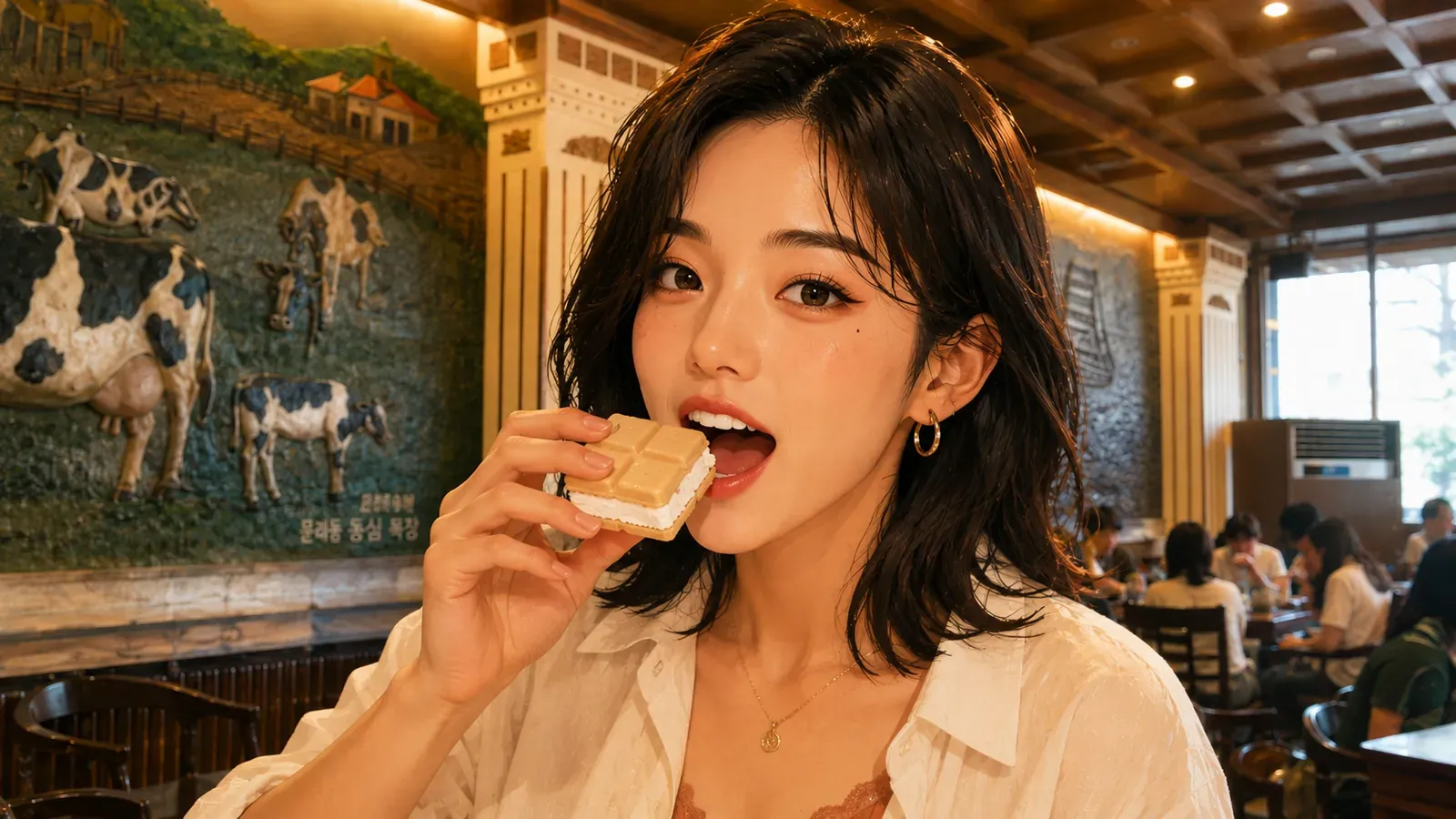
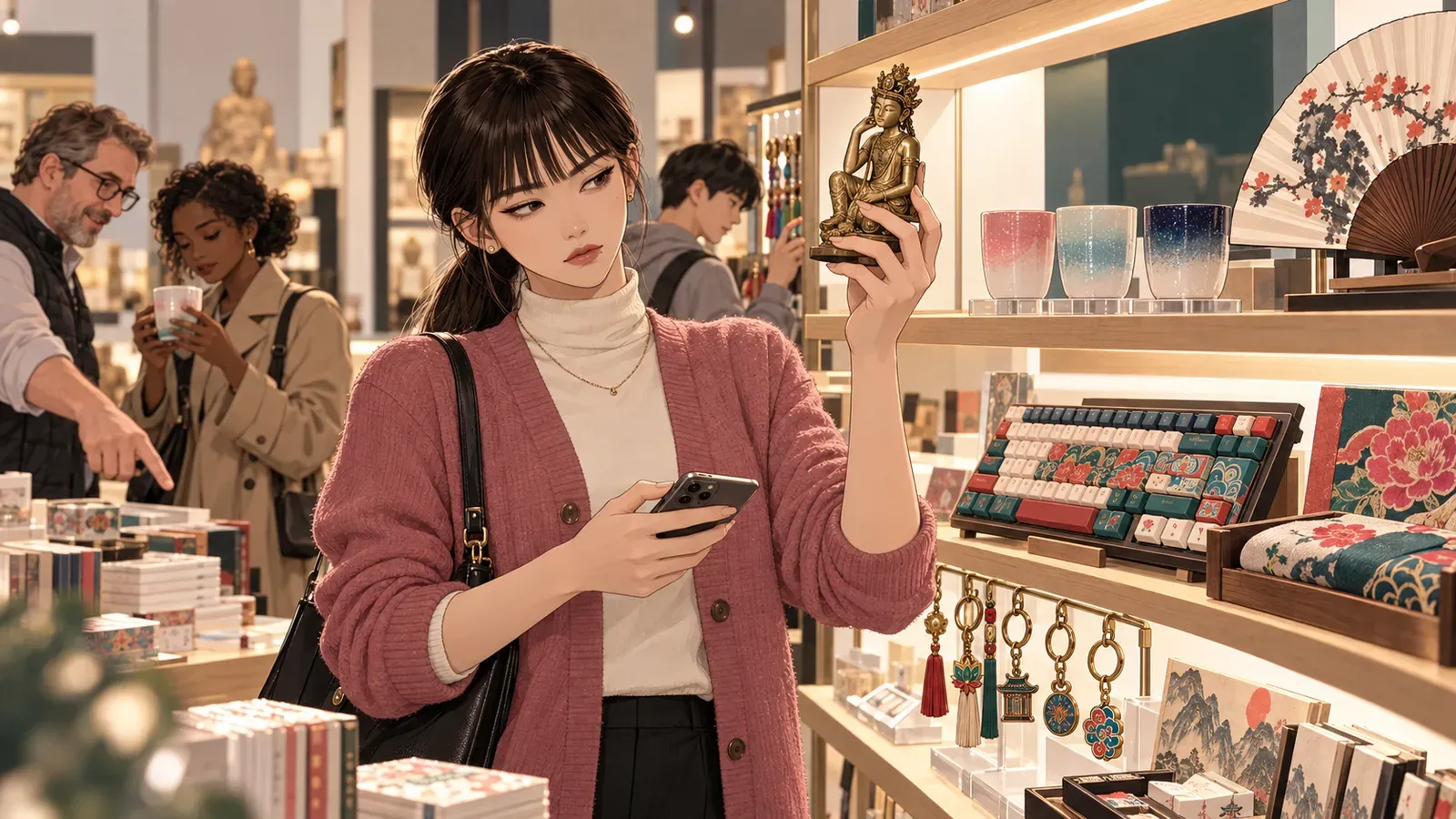
The Starbucks Inside a 1960s Architect's House
Starbucks Korea's 10th 'special store' is a 1960s house by architect Na Sang-jin, kept in its original seven-room layout — mixology bar, blueprint room, fireplace, vinyl. You go for the building, not the coffee.

Partly personally verified — Daniel checked some of these in person
How we verify →·Last verified ·4 min read
Writing an article about a Starbucks is a strange thing to do. They're everywhere. But this one, tucked into an alley in Jangchung-dong (장충동), is a place you go for the building, not the coffee.
Jangchung Lounge R opened in September 2024. It's the tenth of what Starbucks Korea calls its "special stores" — locations built into buildings with a history rather than a standard retail box (the same program that turned a textile factory into the Gyeongdong 1960 store). This one is a two-story house from the 1960s, designed by Na Sang-jin, one of Korea's first-generation architects, whose signature was horizontal lines running the length of a space. Korean press likes to call it a former "chaebol house" — whose house it actually was is in Daniel's note below.
This is a Starbucks you visit for the building, not the coffee — a 1960s house (built for the Daesun Flour Mills family, designed by architect Na Sang-jin) that Starbucks Korea adapted with a light touch as its 10th "special store," keeping seven rooms in the original residential layout: a mixology bar, a fireplace room, a music room with vinyl, a room displaying the original blueprints. It's a Reserve store — premium beans, higher prices, and no decaf at all (order tea if caffeine is an issue). It's down an alley off Dongguk University Station exit 3 and easy to walk past. Pair it with Taegeukdang and Kyungdong Church, both a few minutes away in Jangchung-dong, for an easy half-day. Go on a weekday — it draws weekend/social-media crowds.
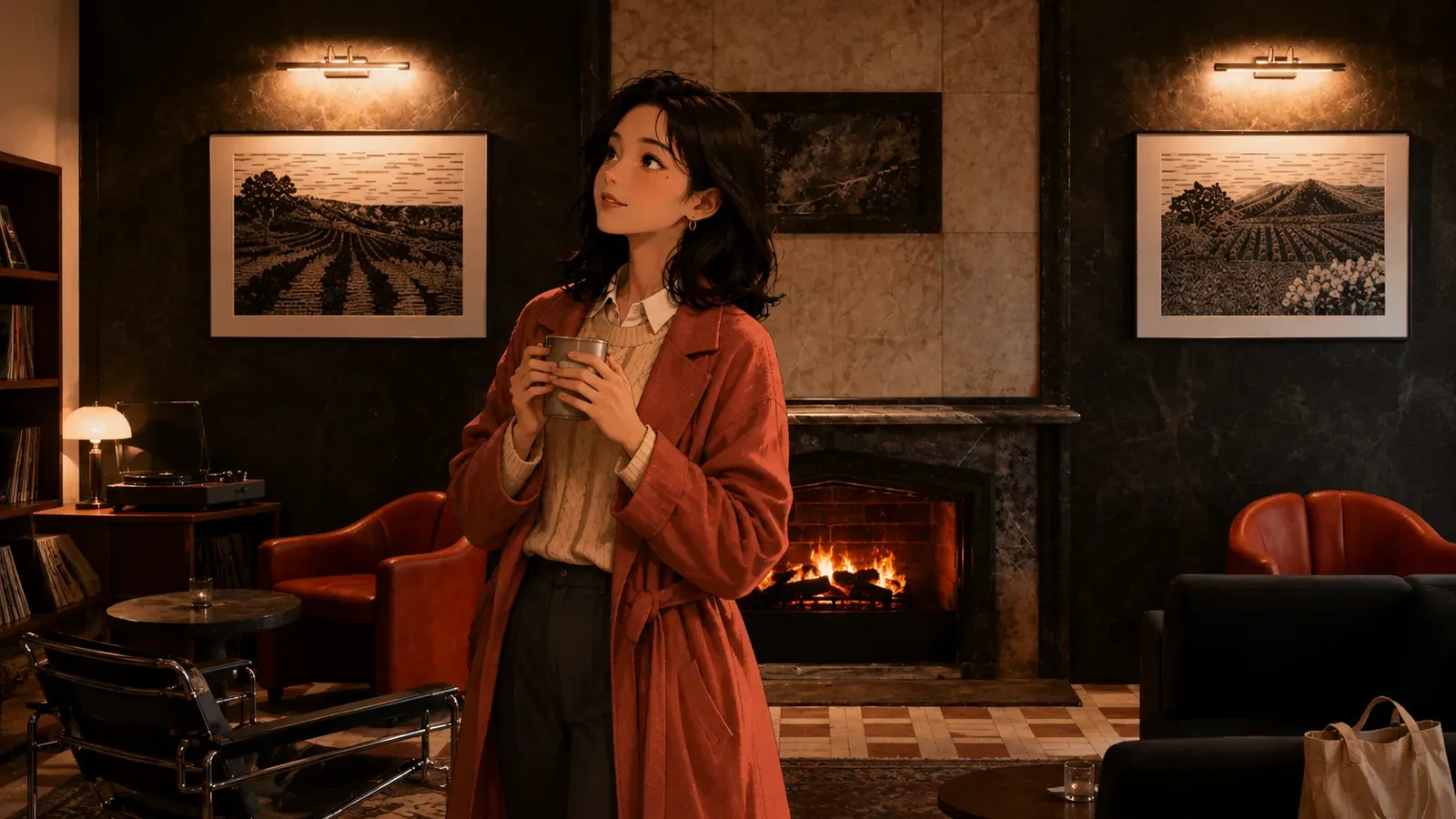
The point is that Starbucks didn't gut it. Seven rooms are kept in the original residential layout, each given its own character. On the ground floor: a Living Room (home to a mixology bar serving 11 cocktails — the first Starbucks bar of its kind in Korea), a Parlor Room with the original window frames, a House Heritage Room displaying Na Sang-jin's original blueprints, and a garden. Upstairs: a Lounge, a Fireplace Room with the original fireplace, a Music Room with a turntable and vinyl, and a Reading Room. The basement, once the garage, is now a waiting area with a small AR exhibition. About 430 square meters, 180 seats.
The "R" is for Reserve — it pours the premium bean line, and drinks cost more than at a standard Starbucks.
 A Note From Daniel — our real human editor
This one is genuinely hard to find. It's down an alley, and if you're just following a map app you'll walk right past it — from the street it doesn't read as a cafe entrance at all. It's also worth knowing the house has a specific history rather than a vague "old" one: it was built for the family behind Daesun Flour Mills, and it carries its own name. The room I go back for is the Fireplace Room upstairs — in the evening it has a particular hush that makes it better for actually talking to whoever you came with. One practical thing: the store carries no decaf beans at all, so if you're sensitive to caffeine, order tea rather than coffee.
To be straight about it: Starbucks Korea has several concept stores — Gyeongdong Market (경동시장), a riverside one in Yangpyeong (양평), a hanok in Daegu. What makes this one worth a mention is the location — a quiet residential street well off the tourist grid — and how intact the house is. It isn't a cafe made to look old. It's an actual house, adapted with a light touch. That's the same distinction as Taegeukdang down the road being genuinely old rather than deliberately retro — which makes it feel less like a coincidence that the two sit in the same neighborhood.
What this means if you're visiting
- "It's a Starbucks, why bother" is a fair question. You're not making the trip for the coffee. If architecture, interiors, and adaptive reuse interest you, it earns the detour; if not, it's a stop-in-if-you're-passing.
- Pair it with Taegeukdang — or the church. Taegeukdang and Kyungdong Church are both in Jangchung-dong too, a 5–7 minute walk from Dongguk University Station (Line 3) — this store from exit 3, the other two from exit 2. Grab a monaka, see the church, have a coffee here — it makes an easy half-day.
- Getting a seat. 180 seats sounds roomy, but special stores draw weekend and social-media traffic. Weekday mornings or late afternoons are calmer. Hours are roughly 9am–9pm; check before you go.
- The mixology bar. A Starbucks that serves cocktails is part of this store's novelty. Whether it's running, and what's on it, can vary — confirm on arrival.
25 Jangchungdan-ro 4-gil, Jung-gu, Seoul — a 5–7 minute walk from Dongguk University Station (Line 3), exit 3, down an alley. Opened September 2024 as Starbucks Korea's 10th "special store," built into a 1960s house designed by architect Na Sang-jin. Seven rooms kept in the original layout: mixology bar, parlor, blueprint room, garden, lounge, fireplace room, music room, reading room; ~430 m², 180 seats. Reserve store — premium beans, higher prices. Hours roughly 9am–9pm; double-check on the day. Children welcome.
 Mina's Tip
Go on a weekday if you can. The ground-floor Heritage Room, with Na Sang-jin's original blueprints, is the part most people walk straight past — and it's the whole reason the store exists, so give it a minute. Don't come on a weekend afternoon expecting a quiet neighbourhood secret; come for a specific off-peak hour and you'll have the house closer to how it was meant to feel.